Our cookies are safe, secure and never contain or share sensitive information. We use cookies and other technologies for functional and analytical purposes only.

Experience & Expertise That Define Leadership
Achievements at this Role
No advisory data found
A Lucas Bitencourt’s career path in photos
A glimpse into latest insights and updates from across professional channels
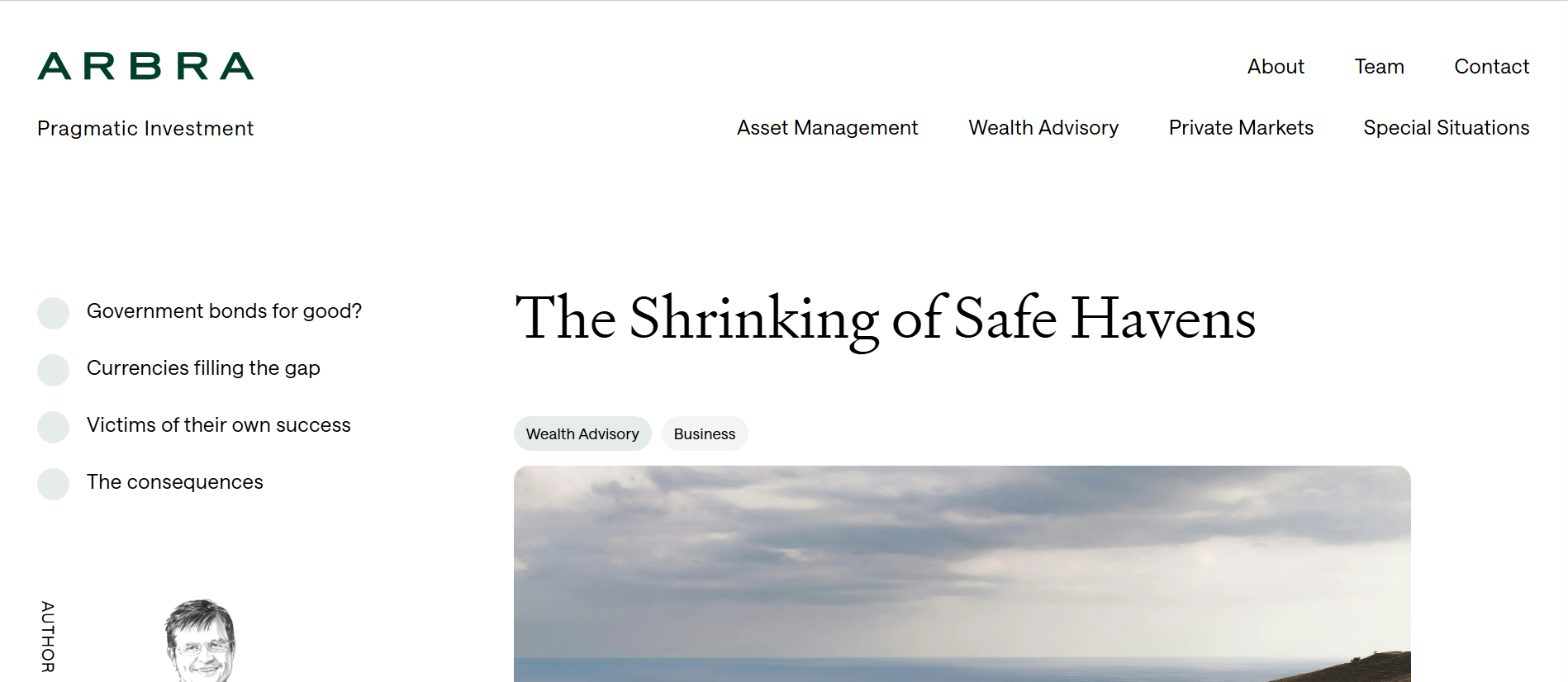
• Government bonds were once the ballast of portfolios. When equities fell, sovereign debt typically rose. That relationship can no longer be assumed. • Since the Global Financial Crisis, quantitative easing has reshaped bond markets. Yields were suppressed, correlations distorted and bonds became policy tools rather than pure hedges. • The pandemic accelerated the shift. Fiscal and monetary stimulus moved together, debt surged, inflation returned and bonds sold off alongside equities. Diversification faltered when it was needed most. • Germany’s recent fiscal pivot is a case in point. Bund yields jumped and their long-standing relationship with US Treasuries fractured. A 25 year correlation weakened in months. • Currencies have historically cushioned drawdowns. Dollar strength helped European investors during past crises. But with portfolios now heavily dollar exposed and the currency itself more politicised, that hedge is less reliable. • Gold, long viewed as a refuge, has displayed bouts of volatility that challenge its safe haven status. Popularity has not made it stable. • Investors effectively face three options: – Buy explicit protection through derivatives. – Raise cash and accept the opportunity cost. – Wait and hope for central bank support. • Many still rely on policy intervention. It has worked before. But it depends on inflation, politics and bond markets remaining cooperative. That is far from certain. • Chris’ recent article explores why traditional safe havens are losing reliability and what that means for asset allocators. • At Arbra, we believe resilience must be deliberate. In a regime of unstable correlations and stretched policy, capital preservation requires precision, discipline and, where appropriate, explicit hedging.
Read More
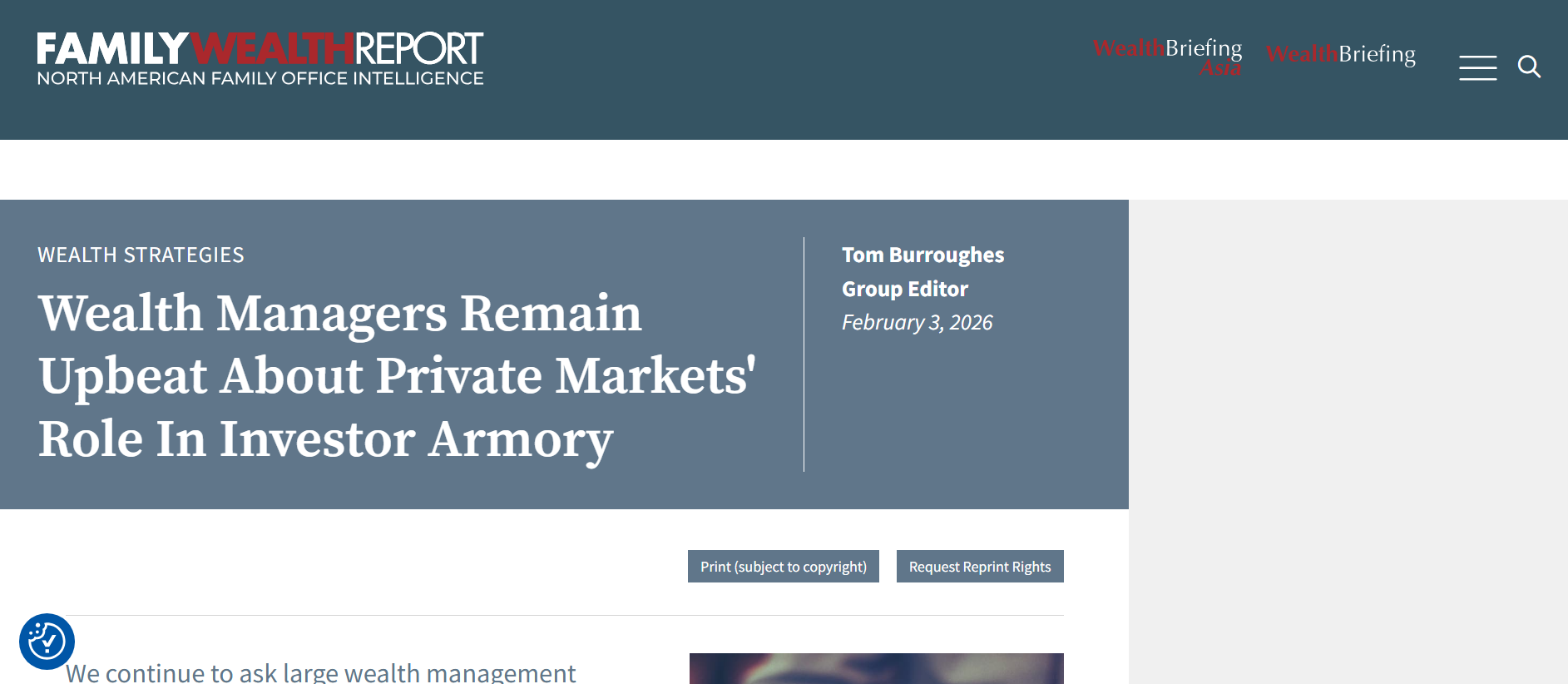
This piece in Family Wealth Report captures the prevailing confidence around private markets as we begin 2026. Despite a more complex macro backdrop and persistent geopolitical uncertainty, private assets remain central to how sophisticated investors are thinking about portfolio construction. That confidence feels well placed. Private markets reward patience, selectivity and alignment. They favour those prepared to think independently and act with conviction rather than react to noise. At Arbra, our approach is grounded in financial autonomy for our clients, coupled with the expertise to respond decisively as conditions evolve. Capital should be both protected and purposeful, positioned to endure across cycles while remaining alert to opportunity. Our independent, entrepreneurial ethos is built for precisely this kind of environment. It allows us to think long term while acting decisively, to remain measured without being passive, and to pursue opportunity without compromising discipline.
Read More
Private markets have rarely looked stronger. Or more crowded. Capital continues to concentrate around perceived certainty. The Mag 7 dominate public indices. Private markets are buoyed by ever larger funding rounds and renewed discussion around a potential SpaceX IPO. Scarcity, scale, and narrative have become powerful drivers of value. Private assets are increasingly priced on the assumption that liquidity will return on demand, that exits will reopen smoothly, and that capital markets will remain supportive. Those are optimistic assumptions in a world defined by political fragmentation, monetary uncertainty, and rising institutional strain. A recent piece in the Financial Times highlights how gold is responding to these same forces. Not as a rejection of growth or innovation, but as recognition that confidence in the system itself is being tested. We believe private markets remain essential. They are where long-term value is built. But concentration, duration, and illiquidity demand an equally deliberate counterbalance. Gold provides that balance. It preserves liquidity and optionality precisely when capital becomes hardest to move. Our Group COO, Michael Le Garignon, explains why gold’s rally is not a contradiction of strong private markets, but a reflection of what sophisticated investors are doing to remain prepared rather than exposed.
Read More
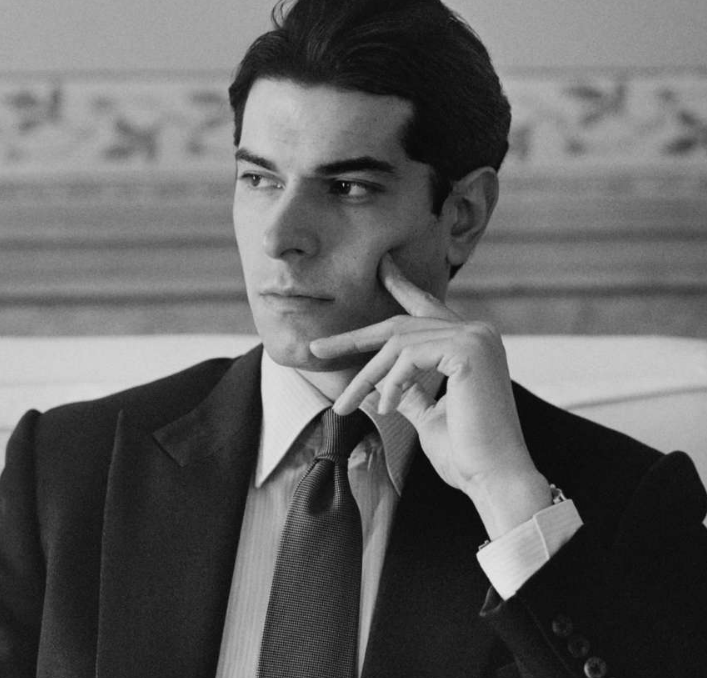
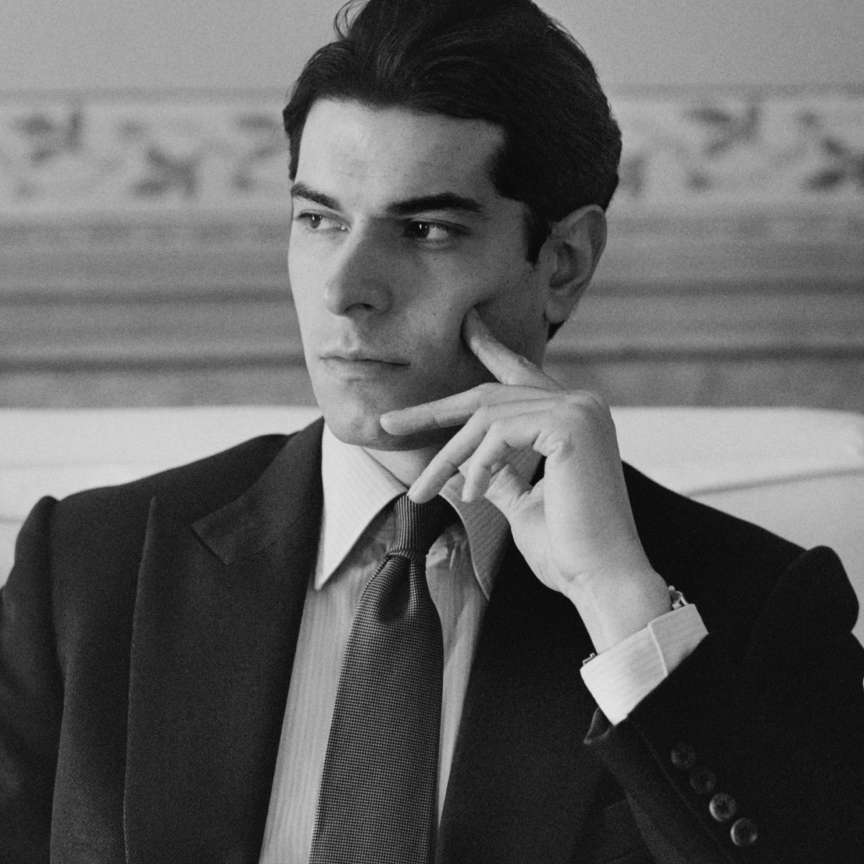
Lucas invests in opportunities and ventures that encapsulate his global perspective, where economic resilience and meaningful partnerships align, and that amplify impact for clients, teams, investors and local communities alike. Spanning the primary sector, technology, real estate, hospitality and the luxury sector, his portfolio reflects a holistic and interdisciplinary outlook that is consistently grounded in providing resilient, long-term value. Lucas brings perspicacity, discipline and cultural fluency to investees and stakeholders across global markets. His other passion includes steering the development of Palheta, a luxury hospitality concept that has been created in collaboration with architect John Pawson, and one that illustrates Lucas’ ability to unite strategic capital with world-class creative vision. Launching in 2029, the estate spans 300 hectares in Portugal’s idyllic Alentejo region. Palheta braids the worlds of art, design and wellness for the discerning traveller, which encourages them to pause and revel in that most rarefied of currencies: time.